

Transparency Matters At Lissmy.com, i only recommend products i have researched and truly love. Affiliate links in this post mean i may earn a small commission if you make a purchase at no extra cost to you. As an Amazon Associate, i earn from qualifying purchases. This helps keep this site running and the content free thank you for your support!
Table of Contents
Introduction:
Why Bloating After 35?
Persistent bloating after the age of 35 is one of the most common yet misunderstood misunderstood digestive complaints among women.
What often starts as occasional discomfort can gradually become a daily issue tightness in the abdomen, heaviness after meals, and unpredictable digestive patterns.
While many women blame specific foods, stress, or hormonal fluctuations persistent bloating after 35 is often a sign of deeper digestive imbalance.
In many cases, it reflects changes in gut motility, microbiome diversity, and overall digestive efficiency.
Understanding what causes bloating and how to support your gut properly can make a noticeable difference not only in comfort, but also in skin clarity, energy levels, and overall wellness.
Why Bloating After 35?

Why Bloating Becomes More Common After 35
As women age, several physiological changes occur:
• Slower digestive motility
• Reduced stomach acid production
• Hormonal fluctuations
• Changes in gut macrobiota diversity
According to the National Institute of Diabetes, Digestive, and Kidney Diseases, bloating is often associated with gas retention, slowed digestion, and functional gastrointestinal disturbances.
These issues tend to become more noticeable as metabolism gradually slows with age.
Additionally, research published through the Harvard Medical School highlights the role of the gut microbiome in regulating inflammation, digestion, and even skin health.
In short, bloating after 35 is rarely random it is often a signal that digestive balance needs attention.
The Gut–Skin Axis: Why Digestion Affects Your Appearance
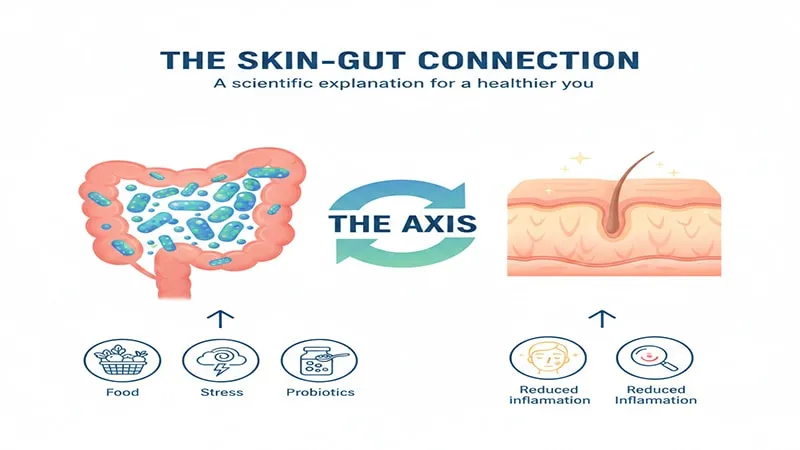
The gut and the skin are closely connected through what researchers describe as the gut–skin axis.
When digestion is inefficient, toxins and inflammatory byproducts may circulate longer in the bloodstream.
The body may attempt to eliminate these through the skin, which can contribute to
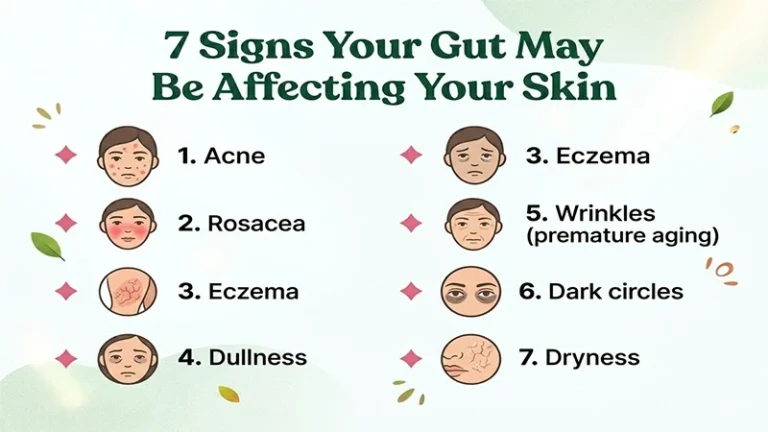
• Dull complexion
• Increased breakouts
• Redness
• Premature aging signs
This connection is explained further in The Skin-Gut Axis Explained, where we explore how microbiome imbalance can influence skin clarity and inflammation inflammation levels.
Improving digestive efficiency often leads to visible improvements in skin tone and glow.
Bloating After 35:
Common Causes of Persistent Bloating.
Chronic bloating in women over 35 is usually linked to one or more of the following:
1. Slow Transit Time
When food moves too slowly through the digestive tract, fermentation increases and gas accumulates.
2. Microbiome Imbalance
An overgrowth of certain bacteria can increase gas production and inflammation.
3. Accumulated Waste
Infrequent bowel movements or incomplete elimination can create abdominal heaviness.
4. Stress and Hormones
Cortisol and hormonal shifts influence gut motility and digestive sensitivity.
Understanding which of these factors is dominant can help determine the best strategy for relief.
Bloating After 35:
A Two-Phase Strategy to Reduce Bloating
Most digestive wellness experts recommend a structured approach:
Phase 1: Gentle Digestive Reset
This phase focuses on:
• Supporting regular elimination
• Increasing hydration
• Introducing fiber gradually
• Reducing processed foods
A gentle digestive reset may help remove accumulated waste and reduce fermentation in the colon.
For a deeper look at one structured digestive reset approach, see the BellyFlush Review.
Phase 2: Microbiome Rebalancing
Once the digestive tract is cleared and functioning more efficiently, rebuilding beneficial bacteria becomes more effective.
Supporting the microbiome can:
• Reduce gas production
• Improve nutrient absorption
• Strengthen the gut lining
• Support clearer skin
For insight into microbiome-focused digestive support, refer to the PrimeBiome Review.
Benefits of Addressing Bloating Properly.
When bloating is managed through proper gut support, many women report:
• Lighter abdominal feeling
• Improved bowel regularity
• Increased energy
• Clearer skin appearance
• Reduced sugar cravings
Because digestion influences nutrient absorption, improving gut efficiency can enhance overall vitality.
Recommended Gut Health Products:
Support your digestion with a trusted probiotic:
Check Current Price on Amazon →As an Amazon Associate, we earn from qualifying purchases.
Potential Downsides to Consider.
While digestive support strategies can be beneficial, it is important to approach them responsibly.
Possible drawbacks may include:
• Temporary adjustment symptoms (mild gas or changes in bowel habits)
• Sensitivity to increased fiber intake
• Individual variability in response
Anyone experiencing severe pain, unexplained weight loss, or persistent gastrointestinal symptoms should consult a healthcare professional.
Digestive resets should always be gentle, gradual, and aligned with individual needs.
Daily Habits That Help Reduce Bloating.
In addition to structured digestive support, these habits can significantly reduce discomfort:
• Drink at least 1.5–2 liters of water daily
• Eat slowly and chew thoroughly
• Avoid overeating late at night
• Incorporate light daily movement
• Manage stress through breathing or relaxation techniques
Consistency often produces better results than extreme interventions.
Frequently Asked Questions:
Is bloating after 35 normal?
Occasional bloating is common. However, persistent daily bloating may indicate digestive imbalance or microbiome disruption.
Can gut health really affect skin appearance?
Yes. Scientific research supports the existence of the gut–skin axis, linking digestive inflammation to skin issues.
How long does it take to see improvement?
Some women notice changes within a few weeks of consistent digestive support, though results vary.
Should I eliminate all fiber if I feel bloated?
No. Fiber is essential, but it should be increased gradually and paired with proper hydration.
When should I see a doctor?
Seek medical advice if bloating is severe, painful, accompanied by weight loss, or associated with other concerning symptoms.
Important Medical Disclaimer
• This content is for informational purposes only.
• It does not constitute medical advice.
• Always consult your healthcare provider before starting supplements.
• BellyFlush is intended for occasional use only.
Final Thoughts.
Bloating after 35 is often more than a temporary inconvenience. It can be a sign that digestion, microbiome balance, or elimination needs attention.
Addressing gut health through a structured and balanced approach including gentle cleansing and microbiome support can improve not only digestive comfort but also skin clarity and energy levels.
Rather than masking symptoms, supporting digestive function from the inside out allows the body to regain equilibrium naturally.
Gut health is not just about comfort. It is a foundation for overall wellness.
We hope this BellyFlush review helped you decide.
Ready to Flush Away the Bloat?
A flatter belly and radiant skin are just 7-days away. If you’re ready to detoxify your system and reclaim your natural lightness, this is your starting point.
Claim Your BellyFlush Bottle & Save →* Limited time offer: Experience the ultimate 7-day gut reset today.
References & Further Reading:
To delve deeper into the science, here are key studies and trusted resources:
According to recent studies on Harvard Medical, probiotics can significantly improve skin hydration..
These links lead to external, peer-reviewed sources for educational purposes.