


Transparency Matters At Lissmy.com, I only recommend products I have thoroughly researched and believe in. Affiliate links in this post mean I may earn a small commission if you make a purchase, at no extra cost to you. As an Amazon Associate, I earn from qualifying purchases. This helps keep this site running and the content free thank you for your support!
Table of Contents
1. Why Your Skin Deserves More Than Just a Cream After 35
Have you ever stood in front of the mirror, applying yet another promising serum, and wondered, “Why isn’t this working?”
You are not alone. After 35, our skin changes.
Collagen production slows, hormonal shifts become more pronounced, and that natural, effortless glow can start to feel like a distant memory.
Many women double down on their topical routine buying richer moisturizers, stronger acids, and more potent serums only to be met with continued dullness, stubborn breakouts, or increasing sensitivity.
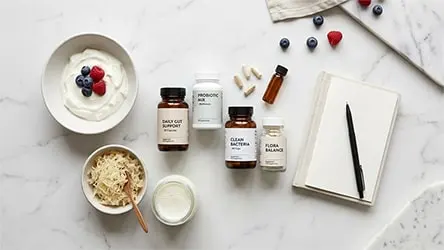
What if the real solution wasn’t in another jar on your bathroom shelf, but in a tiny capsule you swallow?
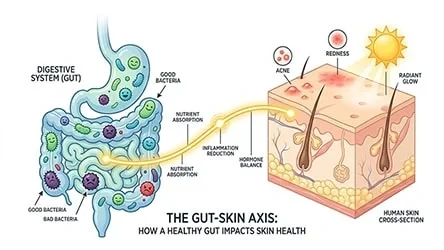
This is the power of the gut-skin axis.
The health of your digestive system is directly linked to the clarity, resilience, and radiance of your skin.
For women navigating the changes of life after 35, supporting this internal superhighway is not just an option; it is a necessity.
In addition, one of the most effective tools to do so is a high-quality probiotic.
However, here is the challenge: the probiotic market is a jungle.
With thousands of options, confusing scientific names, and bold marketing claims, how do you choose the right one for your skin?
This guide is your compass.
We will cut through the noise and give you a clear, science-backed, 7-criteria framework to confidently select a probiotic that truly nourishes your gut and, by extension, your skin.
🔍 This article is part of our larger guide to gut-skin health after 35. See the full picture here: The Complete Guide to Gut-Skin Health After 35.
For a deeper understanding of the connection itself, I highly recommend reading our foundational guide:
The Skin-Gut Axis Explained:The Science behind Your Glow.→2. The Gut-Skin Axis: A Quick Refresher
Before we dive into the buying guide, let us briefly revisit the science.
The gut-skin axis is the constant, two-way communication between your digestive system and your skin.
• A balanced gut microbiome (a diverse community of “good” bacteria) helps regulate your immune system, reduces systemic inflammation, and produces beneficial compounds that support a strong, hydrated, and glowing complexion.
• An imbalanced gut microbiome (dysbiosis) allows harmful bacteria to thrive, leading to a “leaky gut.”
This allows inflammatory particles to enter the bloodstream, triggering systemic inflammation that often manifests on the skin as acne, rosacea, eczema, dullness, and premature aging.
Therefore, a probiotic is not just a digestive aid; it is a targeted beauty supplement that works from the inside out.
To learn more about how your gut health manifests on your face, check out our guide:
Gut Health Affecting Your Skin? 7 Clear Signs & Solutions.→3. Why Probiotics Are a Game-Changer for Your Complexion
Probiotics introduce beneficial bacteria into your gut.
By doing so, they directly influence the gut-skin axis by:
1. Crowding out Harmful Bacteria: They compete for space and resources, helping restore a healthy microbial balance.
2. Strengthening the Gut Barrier: Certain strains have been shown to support the integrity of the intestinal lining, reducing “leaky gut”.
3. Producing Anti-inflammatory Compounds: They create short-chain fatty acids (SCFAs) like butyrate, which have powerful anti-inflammatory effects throughout the body, including the skin.
4. Modulating the Immune System: A healthy microbiome teaches your immune system to be less reactive, reducing the likelihood of inflammatory skin flare-ups.
For women over 35, this is critical because chronic, low-grade inflammation is a primary driver of collagen breakdown and premature skin aging.
Check our full review of BIOHM Women’s Probiotic, a top contender.→4. The Ultimate Buyer’s Guide: 7 Criteria for Choosing the Right Probiotic
Now, let us get to the heart of the guide.
Use these seven criteria as your checklist the next time you are shopping for a probiotic for your skin.
Criterion 1: The Right Strain for the Right Skin Concern
This is the most important factor.
Not all probiotics are created equal. Different bacterial strains have different effects.
| If your main skin concern is… | Look for strains like… | What the research suggests |
|---|---|---|
| Acne & Breakouts | Lactobacillus rhamnosus, Lactobacillus plantarum, Bifidobacterium longum | May help reduce skin inflammation and lesion count. Source |
| Eczema & Atopic Dermatitis | Lactobacillus rhamnosus GG, Lactobacillus paracasei | Shown to help manage symptoms and improve skin barrier function. Source |
| Rosacea & Redness | Lactobacillus paracasei, Bifidobacterium longum | Can help calm the immune response and reduce redness. Source |
| Dullness & General Anti-Aging | Lactobacillus acidophilus, Bifidobacterium bifidum | Improves nutrient absorption and overall gut health, supporting a healthy glow. Source |
| Hormonal Acne (Perimenopause) | A multi-strain formula including Lactobacillus reuteri | Supports the gut-skin-hormone axis, helping to metabolize and eliminate excess hormones. Source |

Criterion 2: CFU Potency – More Isn’t Always Better
CFU stands for Colony-Forming Units, which is the number of live, active bacteria in each dose.
• What is enough? For general skin health and maintenance, a daily dose of 5-10 billion CFU is often sufficient.
• What is therapeutic? For addressing specific skin concerns like acne or eczema, clinical studies often use doses ranging from 10-50 billion CFU.
• Our recommendation for women over 35: Look for a probiotic with at least 10-30 billion CFU.
A higher dose ensures that a significant number of bacteria survive the harsh journey through stomach acid and reach your intestines alive.
Our review of the BIOHM Women’s Probiotic features a potent 30 Billion CFU blend.
Criterion 3: The Science of Survival (Delivery Technology)
A probiotic is useless if it does not survive your stomach acid.
Look for products with one of these technologies:
• Delayed-Release Capsules (Enteric Coating): Designed to bypass the stomach and dissolve in the small intestine.
• Microencapsulation: A technology that protects the bacteria from heat, moisture, and stomach acid.
• BIOHM’s approach: The BIOHM formula is designed for high survivability.
For a product specifically designed for acute bloating relief.
Criterion 4: Targeted Formulas for Women’s Unique Needs
As a woman over 35, your needs are specific.
A general probiotic might not suffice.
Look for formulas that address:
• Vaginal Microflora: Strains like Lactobacillus reuteri and Lactobacillus rhamnosus are known to support a healthy vaginal balance.
• Urinary Tract Health: Some strains can help prevent the adhesion of harmful bacteria.
• Hormonal Balance: A healthy gut microbiome is essential for the proper metabolism and elimination of estrogen, which can influence hormonal acne.
Criterion 5: Prebiotics & the Synbiotic Advantage
Prebiotics are types of fiber that feed the good bacteria in your gut.
A product that combines both probiotics and prebiotics is called a synbiotic.
Including prebiotics (like inulin or FOS) in the formula can help the probiotic strains establish themselves more effectively.
Criterion 6: Quality, Purity & Third-Party Testing
Because supplements are not strictly regulated, you must be a savvy consumer. Look for:
• Third-Party Testing: Certifications from organizations like USP, NSF International, or ConsumerLab.com indicate the product contains what it says on the label and is free from contaminants.
• GMO-Free, Gluten-Free, and Allergen-Free: Choose products that are free from common allergens, especially if you have sensitivities.
• Reputable Manufacturer: Research the brand.
Are they transparent about their sourcing and manufacturing processes?
Criterion 7: Expiration Date & Storage Requirements
Live bacteria have a shelf life.
• Always check the expiration date.
Do not buy a product that is close to expiring.
• Read storage instructions.
Some probiotics require refrigeration to maintain potency, while many modern; high-quality strains (like those in BIOHM) are shelf-stable, making them much more convenient.
5. Red Flags: When a Probiotic Might Not Be for You
Probiotics are generally safe for most healthy individuals.
However, you should consult your doctor before starting one if you:
• Have a compromised immune system (e.g., undergoing chemotherapy, have an autoimmune disease).
• Have a serious underlying illness.
• Have short bowel syndrome or are critically ill.
• Are pregnant or nursing (while generally safe, your doctor can guide you to the best option)?
6. Your Probiotic Shopping Checklist (Free Printable)
You can use this checklist when evaluating any probiotic product.
| Criterion | What to look for | Yes/No |
|---|---|---|
| Right Strain | Strains matched to your skin concern (e.g., L. rhamnosus for acne) | ☐ |
| CFU Potency | 10-30 Billion CFU for therapeutic skin benefits | ☐ |
| Survival Technology | Delayed-release capsule or microencapsulation | ☐ |
| Targeted Formula | Includes strains for vaginal/urinary health (for women) | ☐ |
| Synbiotic | Contains prebiotics (like inulin or FOS) | ☐ |
| Third-Party Tested | Look for USP, NSF, or ConsumerLab seals | ☐ |
| Expiration Date | Far in the future | ☐ |
| Storage | Check label (shelf-stable is most convenient) | ☐ |

7. Frequently Asked Questions (FAQ)
Q: How long does it take to see skin results from a probiotic?
A: While some people may notice digestive improvements within the first week, significant skin changes typically take 4-8 weeks of consistent daily use.
Your skin’s cell turnover cycle takes about 28 days, and rebuilding a healthy gut microbiome takes time.
Q: Can I take a probiotic with other medications?
A: Probiotics are generally safe, but it is best to take them at least 2 hours apart from antibiotics.
Always consult your doctor or pharmacist, especially if you are on immunosuppressants.
Q: Can I get enough probiotics from food alone (like yogurt or kefir)?
A: Fermented foods are excellent for general health, but for a targeted, therapeutic effect on a specific skin condition, a high-quality supplement with documented clinical strains is often more reliable and potent.
Q: What is the difference between a probiotic and a prebiotic?
A: Probiotics are the live, beneficial bacteria themselves.
Prebiotics are the food (fiber) that feeds those good bacteria.
A synbiotic product contains both.
Q: Is it normal to experience side effects when starting a probiotic?
A: Some people experience mild, temporary digestive issues like gas or bloating during the first few days as your gut adjusts.
These symptoms typically subside quickly.
8. Final Thoughts: Your Skin’s Inner Best Friend
Your skin is a reflection of your internal health. After 35, relying on topical products alone is like painting over cracks in a foundation.
To achieve a truly resilient, radiant glow, you must nourish from within.
Choosing the right probiotic is a powerful act of self-care.
It is a decision to address the root cause of many skin concerns inflammation and imbalance rather than just the symptoms.
By using the 7-criteria framework in this guide, you can confidently navigate the market and select a probiotic that is perfectly suited for your unique needs.
Your journey to a glowing complexion does not start with a cream. It starts with a capsule.
We have put this framework to the test in our detailed review of one of the leading probiotics for women, which you can read here:
BIOHM Women’s Probiotic Review: The 30 Billion CFU Solution.→Another of our articles is also known as Your Complete Guide to Gut Health and Radiant Skin.
Medically Reviewed Disclaimer
This article is for informational purposes only and does not constitute medical advice. It is not a substitute for professional medical advice, diagnosis, or treatment. Always seek the advice of your physician or another qualified health provider with any questions you may have regarding a medical condition or before starting, stopping, or altering any medication or supplement regimen.
References & Further Reading
These links lead to external, peer-reviewed sources for educational purposes.
1. Probiotic mechanisms of action.Annals of Nutrition & Metabolism.
2. Probiotics for the treatment of leaky gut.Journal of Clinical Gastroenterology.
3. The role of short-chain fatty acids in skin health.International Journal of Molecular Sciences.
4. The gut microbiome and the immune system.Nature Reviews Immunology.
5. Specific probiotic strains and dermatological conditions: A review.Journal of the American Academy of Dermatology.
6. Harvard Health Publishing: The gut-skin connection.Visit Harvard Health